Healthy Aging vs. Successful Aging — What’s the Difference?
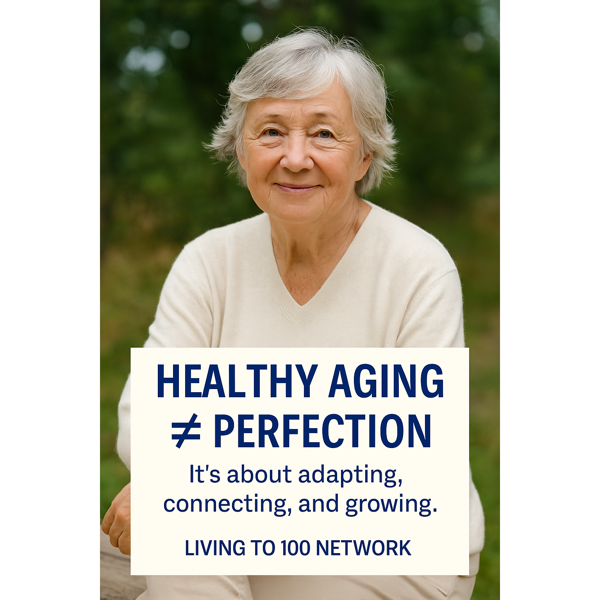
We often hear the phrase successful aging, but what does it really mean? And how is it different from healthy aging?
According to the National Institutes of Health, successful aging focuses on life satisfaction and well-being. It emphasizes avoiding disease and disability and often implies an ideal aging experience — free of decline, full of productivity.
But here's the catch: not everyone ages without challenges. That’s where the concept of healthy aging offers a more inclusive, realistic approach.
Healthy aging goes beyond just avoiding illness. It emphasizes preserving physical and cognitive function — even in the presence of chronic conditions or limitations. It’s about adapting, not avoiding.
The World Health Organization outlines four key elements that support healthy aging:
Positive attitudes about aging – seeing aging as growth, not decline
Age-friendly environments – communities designed for mobility, connection, and inclusion
Health systems that meet the needs of older adults – not just treating illness, but promoting well-being
Supportive systems – for long-term care and day-to-day life
In short, successful aging may be the ideal, but healthy aging is the foundation. And the good news? Healthy aging is something we can all support — personally, socially, and professionally.
💬 Reflection Question for You:
Have you ever felt pressure to “age successfully”?
What does healthy aging mean in your life right now?
👇 Add your thoughts in the comments — we’d love to hear how you define growing older with strength and grace.