LIVING TO 100 DIGEST | April, 2025

Welcome to this Month's Living to 100 Club Digest
Hello Friend,
Thank you for joining us on the journey to aging well, with purpose and positivity. Whether you’re reading the free, abridged version of this digest or exploring the expanded edition available to members of our paid tier, we’re thrilled to have you here. Every month, we share expert insights, inspirational stories, and practical tools to help you or your loved ones live better, longer, and happier lives.
This issue explores how we navigate the 3 D’s—Depression, Delirium, and Dementia, rethink what retirement really means, and embrace the technologies that help us stay independent behind the wheel. We also spotlight our Better, Longer, Happier (BLH) Card Decks, powerful tools designed to spark meaningful conversations and foster resilience in aging.
But the heart of it all is our Living to 100 Community—a place to connect, share, and grow together. If you haven’t joined yet, we invite you to be part of this growing network where we talk openly about aging, offer support, and learn from one another.
Let’s keep redefining what it means to age with strength, dignity, and joy.
Warm regards,
Dr. Joe Casciani
Founder, Living to 100 Club
👉 Join the Living to 100 Community »

Clearing the Fog: Understanding the “3 D’s” of Aging
By Dr. Joe Casciani
As we grow older, it's not uncommon to experience changes in memory, mood, or clarity of thought. But when do these changes signal something more serious? In this month’s focus, we explore the critical distinctions—and surprising overlaps—among three often-confused conditions: Depression, Delirium, and Dementia. Known as the “3 D’s,” these conditions can affect our ability to think clearly, remember details, and feel emotionally balanced—but they are not a normal part of aging.
Understanding these conditions is essential—not only for those experiencing symptoms but for caregivers, family, and healthcare providers.
How Are They Similar?
All three conditions can cause confusion, disorientation, mood changes, and memory difficulties. They may look alike on the surface, especially in older adults, where symptoms can be subtle or misinterpreted.
How Are They Different?
Delirium is sudden and often caused by an acute medical issue (e.g., infection, surgery). It’s marked by a rapid change in mental status and always needs urgent medical attention.
Dementia is gradual and progressive, with memory loss, personality changes, and trouble with communication and daily functioning. Alzheimer’s is the most common cause.
Depression often presents with fatigue, low motivation, sleep or appetite changes—and in older adults, it may mimic dementia (“pseudo-dementia”) but is highly treatable.
Key Insights for Living Longer and Happier:
Recognize the Warning Signs: Confusion, withdrawal, or disorientation deserve a second look—not a quick dismissal as “just aging.”
40% of Dementia is Preventable: Lifestyle changes, like managing hearing loss, staying socially engaged, and addressing hypertension, play a powerful role.
Reassure and Respond: Misunderstood behaviors are often unmet needs—compassion and calm responses are better than correction.
Different Conditions = Different Treatments: Proper diagnosis is essential—depression may improve with therapy, delirium with medical care, and dementia with supportive routines.
You’re Not Alone: Caregiver burnout is real. Know when to ask for help, find a support group, or just take a breath.
🧠 Want to learn more?
This month’s Better, Longer, Happier Module #8 is packed with practical tools, videos, and exercises to guide you through the complexities of these conditions. Whether you’re aging yourself or supporting someone who is—knowledge is power.
👉 Click here to explore the full Module »

Social Prescribing: A Prescription for Connection
By SocialPrescribingUSA.com
This article highlights a groundbreaking shift in healthcare—Social Prescribing—a practice where providers refer patients not just to medications, but to community resources and activities that enhance well-being. It’s especially relevant for seniors, whose physical health is deeply tied to social connection and purpose.
Key Takeaways:
Beyond the Pill Bottle: Social prescribing links individuals to non-medical services like art classes, walking groups, or volunteer opportunities.
The “Link Worker” Role: Specially trained professionals help patients identify personal goals and connect with local supports.
Improves Health & Reduces Costs: Studies show better mood, fewer hospital visits, and stronger community ties.
Addressing Loneliness: Seniors struggling with isolation benefit from programs that restore meaning and belonging.
A National Movement is Growing: The U.S. is embracing a model pioneered in the UK—adapting it to communities across the country.
🌱 Call to Action:
Curious about how social connection can heal?
Click here to read the full article on SocialPrescribingUSA.com »

Does Insurance Cover Medical Alert Systems?
By the National Council on Aging
Medical alert systems can be life-saving, especially for older adults living independently. But one common question remains: Who pays for them? This article breaks down the coverage options—from Medicare to Medicaid to private insurers—so seniors and caregivers can make informed decisions about safety and affordability.
Key Takeaways:
Medicare Doesn’t Typically Cover It: Original Medicare (Parts A and B) generally does not cover medical alert systems.
Medicare Advantage May Help: Some Medicare Advantage (Part C) plans do offer coverage—check with your provider.
Medicaid Varies by State: Coverage depends on the state and specific Medicaid waiver programs.
Other Options Exist: Long-term care insurance, veterans’ benefits, and local aging agencies may offer support.
Shop Smart: Compare costs, features, and funding options before choosing a device.
🆘 Call to Action:
Want to ensure you or a loved one can access emergency help when it matters most?
Click here to read the full NCOA article »

Working Past 50? It’s Good for Your Health
By Kimberly Marselas – McKnight’s Senior Living
A new University of Michigan survey reveals that many adults over 50 find continued work beneficial to both physical and mental health. Far from being a burden, staying employed—whether part-time or full-time—offers routine, connection, and purpose that support healthy aging.
Key Takeaways:
Mind and Body Boost: Over half of older workers say their jobs help maintain their mental sharpness and physical vitality.
Purposeful Engagement: Work fosters a sense of identity, social interaction, and meaning—critical in later life.
Part-Time, Full-Life: Flexibility matters—many report wanting fewer hours, but not full retirement.
Economic Motivation: While health benefits are key, financial stability remains a strong driver for working longer.
Policy Implications: Findings suggest workplaces should adapt to support older workers with flexible, age-friendly environments.
🧠 Call to Action:
Thinking about extending your career journey—or supporting someone who is?
Click here to read the full article on McKnight’s Senior Living »
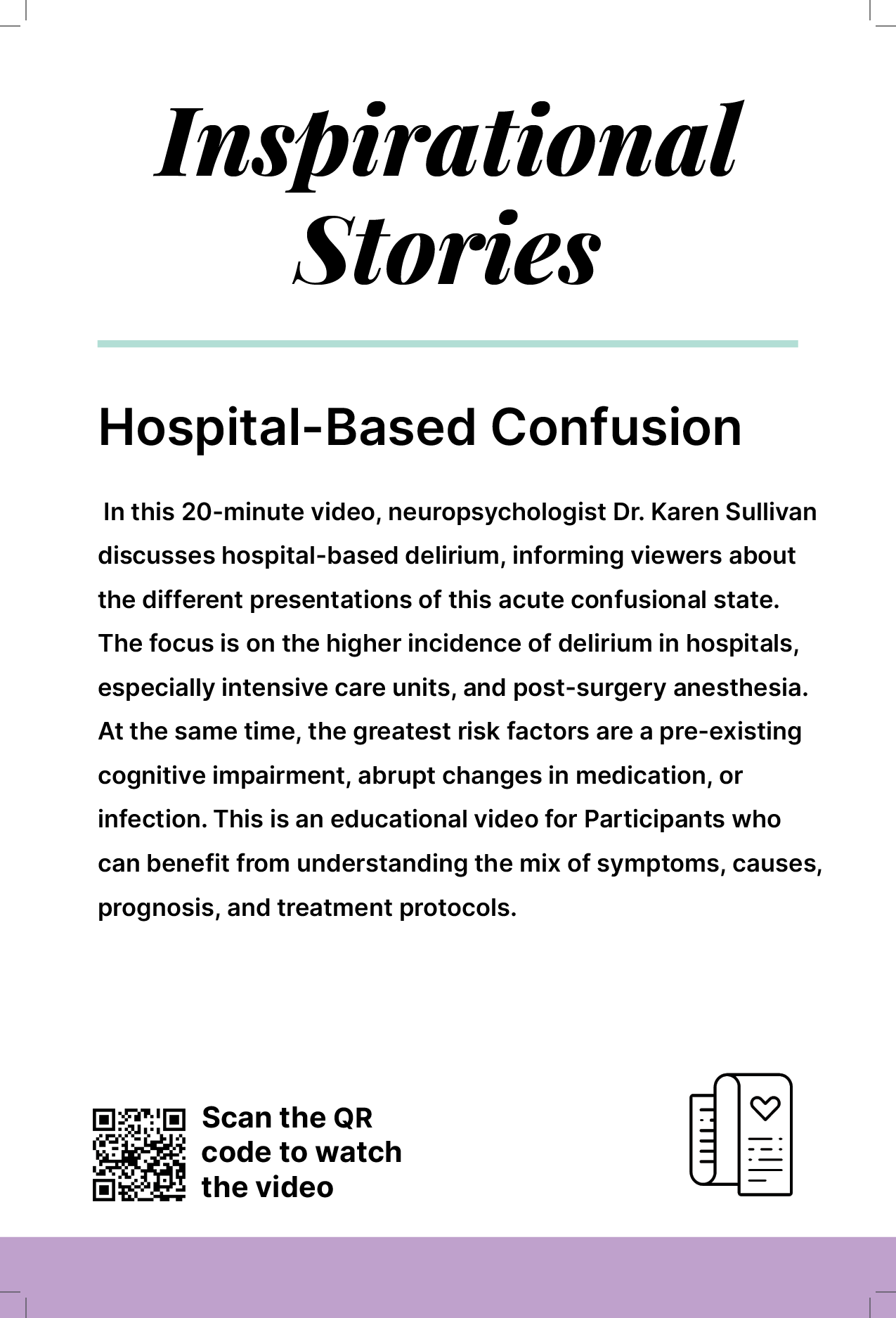
[Card #49 from BLH Module, Understanding depression, delirium, and dementia]
Better, Longer, Happier Card Spotlight: Hospital-Based Confusion
Hospital stays can be stressful—but for older adults, they also carry a hidden risk: delirium. In this powerful 20-minute video, neuropsychologist Dr. Karen Sullivan explains the acute confusion that can arise in ICU and post-surgical settings. With clear insight into causes like medication changes, infection, and pre-existing cognitive decline, this card is a must for families and caregivers.
This educational story helps remove the mystery—and fear—around hospital-related confusion, empowering viewers to recognize and respond early.
✅ Interactive Engagement Ideas
Watch & Reflect: Host a small group viewing of the video. Afterward, invite participants to share if they or someone they know has experienced confusion in a hospital setting. Ask: What stood out? What would you do differently next time?
Caregiver Readiness Checklist: Create a simple checklist with questions like: “Does my loved one have memory loss?”, “What medications are changing?”, or “Is their environment overstimulating?” Review it before any hospital visit.
Story Swap Circle: Encourage participants to share stories about hospital stays—both positive and challenging. Use this as a gateway to discuss how we can advocate for ourselves and loved ones in medical settings.
🌟 Enjoyed this card? There's more where that came from.
If you found this Better, Longer, Happier card meaningful, we invite you to explore the full deck. Each module is packed with uplifting stories, educational insights, and actionable exercises designed to support resilience in aging, reduce confusion, and promote a healthier, more purposeful life.
👉 Click here to learn more about the full Better, Longer, Happier card series »
Our Latest Podcasts
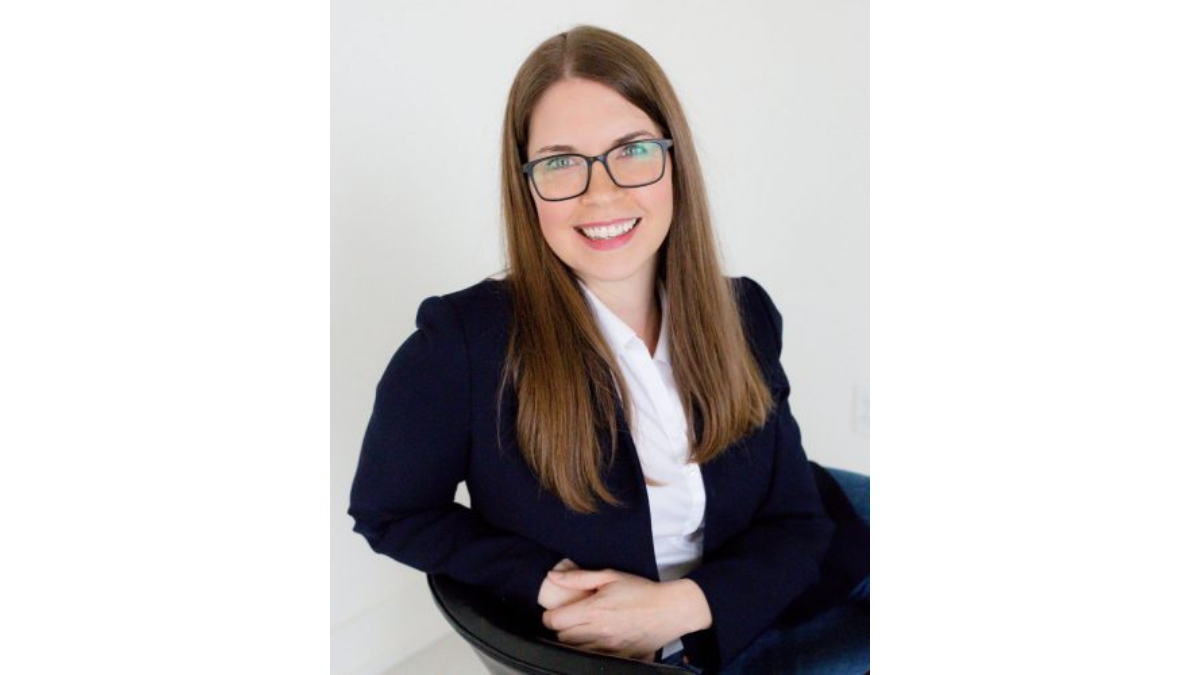
Podcast Spotlight: Right-sizing Your Life – The Emotional Side of Downsizing
Guest: Jeannine Bryant, Senior Move Manager
This powerful episode dives into the emotional heart of downsizing. Dr. Joe sits down with Jeannine Bryant, founder of Changing Spaces SRS, to explore the often-overlooked psychological barriers seniors face when letting go of lifelong possessions. Whether it’s a “happy move” to independent living or a more reluctant transition, this conversation offers clarity, compassion, and hope.
💡 Thought-Provoking Insights
Why Letting Go Is So Hard: Explore the emotional ties to objects and how memory, identity, and fear play a role.
Proactive vs. Reactive Transitions: Learn why early conversations and planning can preserve dignity and reduce stress.
Making It Manageable: Get practical strategies for starting small, shifting mindsets, and finding professional support.
👉 Tune in for expert advice and heartfelt wisdom.
🎧 Listen to the full episode on the Living to 100 Club Podcast »
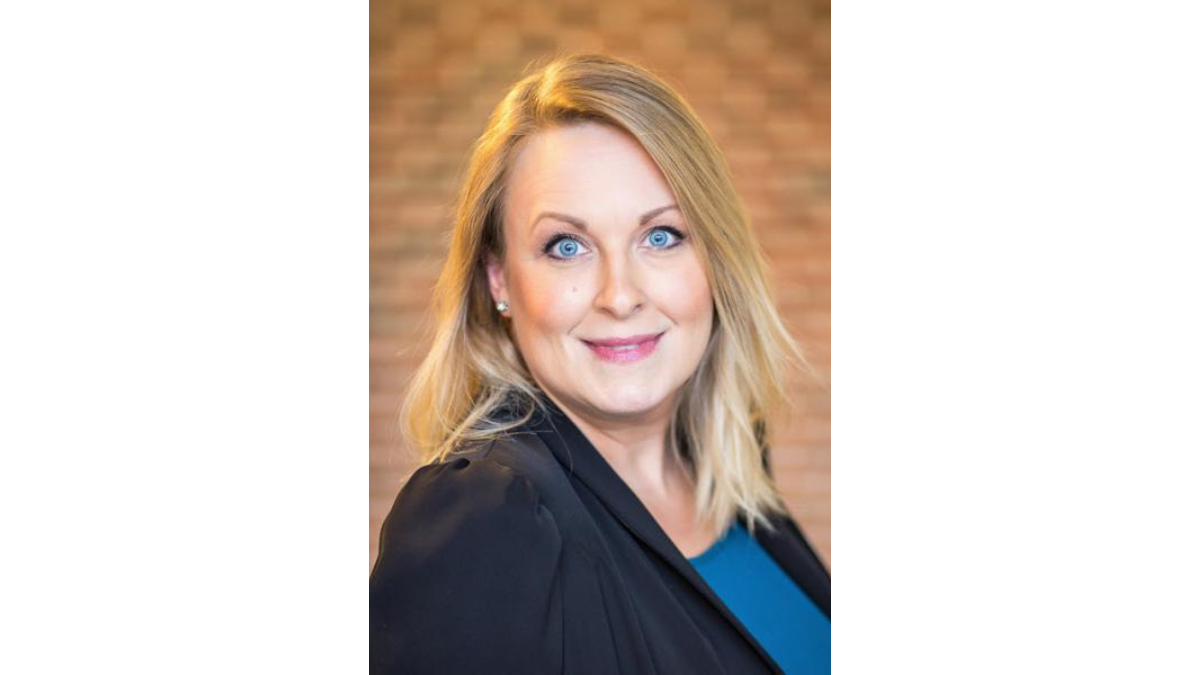
🚗 Podcast Spotlight: Enhancing Senior Independence through Vehicle Safety and Technology
Guest: Jennifer Morrison, Vehicle Safety Expert at Mazda
In this eye-opening episode, Dr. Joe welcomes Jennifer Morrison to discuss how vehicle safety technology can support independence for older adults. From crash avoidance systems to car rating confusion, this conversation sheds light on what really matters when choosing a safe ride—and how seniors can stay behind the wheel longer, safely and confidently.
💡 Thought-Provoking Insights
Tech That Protects: Learn how features like blind spot monitoring and auto-braking are game-changers for older drivers.
Smart Car Shopping: Discover which safety ratings truly matter and how to choose the best fit for aging needs.
Autonomous Future: Explore what driverless taxis and automated systems might mean for the next generation of senior mobility.
🎧 Stay informed, stay safe—listen now.
Click here to hear the full episode on the Living to 100 Club Podcast »
Which section of this month's Digest resonated most with you -- insights, science news, BLH cards?
Feature article on the 3 D's
Articles on social prescribing, alert systems and working after 50
BLH Card on acute confusional state and QR link to video
Podcasts
Copyright © 2025 Living to 100 Club, LLC, All rights reserved.
"Living to 100 Club" and the tagline, "Turning aging on its head" are registered service marks with the U.S. Patent and Trademark Office, registration numbers 6123576 and 6107172, respectively.